


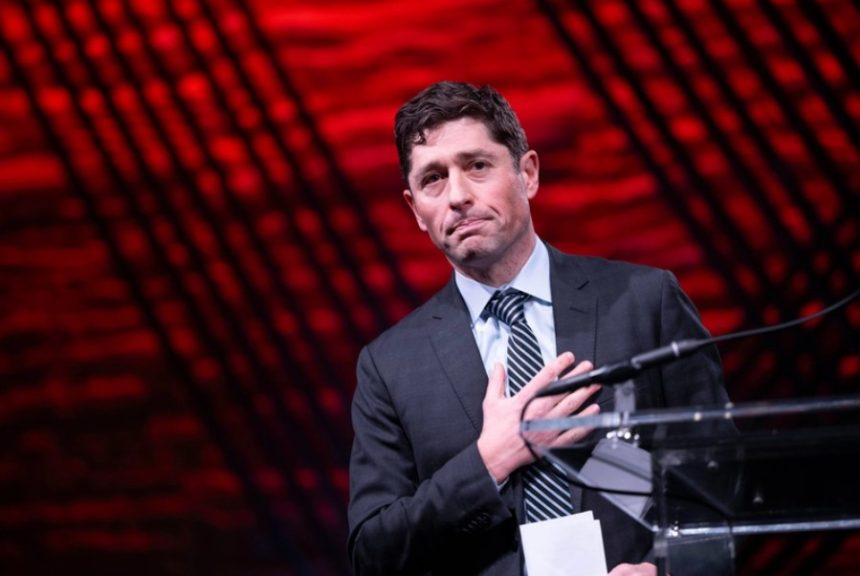
Minnesota Democrats are navigating a fragile political truce with President Donald Trump this week, as tense talks over immigration enforcement threaten to unravel.
The uneasy calm matters because it could decide whether a high-profile federal immigration operation in Minnesota ends or escalates, affecting local communities, Democratic strategy nationwide, and Trump’s second-term agenda.
What happened between Trump and Minnesota Democrats?
In the past week, President Trump held what he described as “very good” phone calls with Minnesota Governor Tim Walz and Minneapolis Mayor Jacob Frey.
The calls marked a sharp shift after Trump publicly blamed Democratic leaders following the fatal shooting of Alex Pretti in Minneapolis.
For a brief moment, both sides appeared keen to cool tensions. That fragile peace cracked when Mayor Frey, after meeting Trump’s border adviser Tom Homan, posted on social media that: “Minneapolis does not and will not enforce federal immigration laws.”
A person close to Frey said the post aimed to clarify the city’s legal position, not provoke the White House. Trump saw it differently.
The president fired back online, calling the statement “a very serious violation of the Law” and warning Frey that he was “PLAYING WITH FIRE”.
Why are Minnesota Dems trying to de-escalate now?
Minnesota Democrats believe they hold a rare political advantage. Recent US polling shows Trump’s approval on immigration slipping, including in Midwestern states like Minnesota.
That gives Democrats leverage, but only if they avoid triggering the president’s famously volatile negotiating style.
One Minnesota Democratic strategist, speaking anonymously, said: “This back and forth is unhelpful. Strategically, I wouldn’t have phrased it that way. It’s not a huge mistake, but it’s not helpful.”
Behind the scenes, Minnesota Dems are focused on one goal: ending what they see as an aggressive federal immigration crackdown in their state. Publicly confident, many admit privately they fear Trump could walk away at any moment.
How did Trump respond after the backlash?
Despite the heated rhetoric, signs of a partial climbdown emerged. Mayor Frey softened his tone during appearances on CNN and at the National Mayors’ Conference in Washington, saying: “The Operation Metro Surge needs to end.”
Crucially, Tom Homan told reporters that he had asked federal agencies to prepare a “drawdown plan”, suggesting enforcement activity could soon scale back.
After 48 tense hours, insiders said the truce was holding, for now.
What does this reveal about negotiating with Trump?
For seasoned observers, the episode feels familiar. Diplomatic breakthroughs with Trump often arrive suddenly and collapse just as fast.
European leaders have faced similar challenges. From Ukraine policy to Trump’s remarks about Greenland, officials have learned that public pushback can derail private progress, sometimes overnight.
Minnesota Dems now face the same lesson. A state union leader summed it up bluntly: “Everyone needs to give something here to move on from this.”
Are all Minnesota Democrats aligned?
Not entirely. Some party figures argue that restraint is pointless. Ron Harris, a Democratic National Committee member from Minnesota, said: “Being nice isn’t somehow going to stop Donald Trump when anything can set him off.”
He defended Frey’s post as simply stating the law. Others believe Governor Walz’s quieter, more deferential approach offers a better model, especially when federal authority ultimately sits with the White House, not city halls.
How do political pressures shape Frey and Walz’s strategies?
The split is not just ideological, it’s personal and political.
- Jacob Frey, 44, recently survived a strong challenge from the Democratic left in Minneapolis.
- Progressives now control the city council, pushing him to speak out forcefully.
- Frey is also widely seen as a future statewide candidate.
By contrast, Tim Walz has stepped away from immediate political ambitions after dropping his re-election bid this month. Although a welfare fraud scandal hit his administration, Walz himself faces no allegations.
A Democratic strategist explained it this way: “Frey’s constituency is different. He’s facing internal pressure to keep calling out the craziness. Walz can afford to think longer-term.”
Will the federal operation in Minnesota actually end?
It remains unclear. Trump appears motivated to declare victory and move on. His administration has already reduced immigration enforcement activity elsewhere.
Republican Senator Susan Collins confirmed that enhanced ICE operations in Maine ended after bipartisan pressure. Minnesota Democrats hope their state follows the same path, but know nothing is guaranteed.
Why does this matter to a UK audience?
While the story is US-based, it offers a clear window into how Trump governs and negotiates during his second term. For the UK, it matters because:
- Trump’s leadership style affects global diplomacy.
- US immigration policy influences transatlantic relations and security cooperation.
- British leaders may face similar challenges if Trump returns to high-stakes negotiations with allies.