


Southern California Edison (SoCal Edison) has launched multiple lawsuits over the deadly Eaton Fire, shifting blame onto local authorities and rival utilities as investigations into the disaster continue.
The move has added a new layer of controversy to one of the most destructive wildfires in recent US history, now closely watched by regulators, insurers and international observers, including in the UK.
What is the SoCal Edison Eaton Fire, and why does it matter?
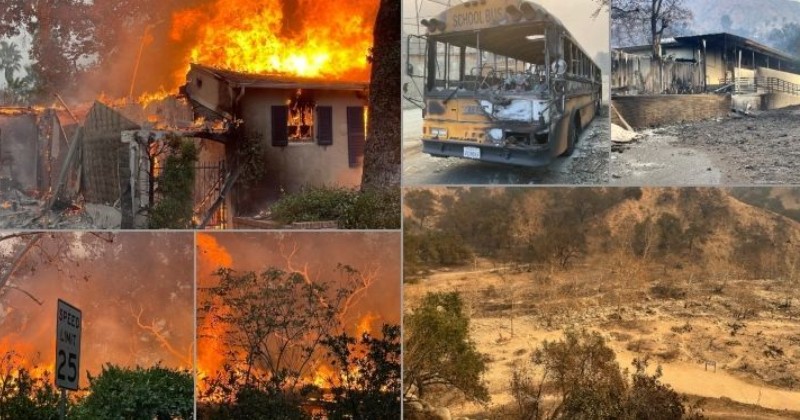
The Eaton Fire broke out on 7 January 2025 in the Altadena area of Los Angeles County. It burned for nearly a month, killing 19 people and destroying more than 9,400 homes and buildings.
In total, around 22 square miles (57 square kilometres) were scorched before the fire was finally extinguished.
Although the cause is still officially under investigation, preliminary evidence suggests that an idled Southern California Edison power line may have sparked the blaze.
That possibility has already placed the utility under intense legal and public scrutiny.
For a UK audience, the case matters because it raises wider questions about infrastructure safety, emergency warnings, and corporate accountability, issues also relevant to wildfire planning and climate resilience discussions at home.
Who is SoCal Edison suing and on what grounds?
SoCal Edison has filed cross-complaints in the Los Angeles Superior Court against:
- Los Angeles County
- Pasadena Water and Power
- Five other local water agencies
In a separate lawsuit, the company is also suing Southern California Gas Company (SoCalGas).
According to court filings reported by US media, SoCal Edison argues that failures by public agencies and other utilities made the fire deadlier than it should have been.
Did evacuation warnings fail residents in Altadena?
One of the most serious claims relates to evacuation alerts. SoCal Edison alleges that Los Angeles County agencies failed to send timely evacuation warnings to residents in both east and west Altadena.
The utility points out that 18 of the 19 people who died lived in west Altadena, an area it says did not receive adequate warning in time.
SoCal Edison court filings: “County agencies failed to issue timely and effective evacuation notices, leaving residents exposed to extreme danger.”
If proven, this could raise major questions about how emergency alerts are managed in fast-moving wildfire situations.
Were firefighters left without enough water?
The lawsuits also accuse local water providers of failing to supply sufficient water pressure as the fire spread.
SoCal Edison claims that Pasadena Water and Power and other agencies did not deliver enough water, leaving firefighters struggling to control the flames during critical early stages.
Water availability is a recurring issue in US wildfires and is closely studied by UK fire services, especially as extreme heat events become more common across Europe.
Why is SoCalGas being blamed for worsening the fire?
In its separate complaint, SoCal Edison argues that SoCalGas delayed shutting off gas supplies, waiting four days after the fire began to carry out widespread shut-offs.
The utility claims that gas leaks and gas-fed fires helped fuel the blaze, increasing damage and making firefighting more dangerous.
SoCalGas has responded cautiously.
SoCalGas statement: “We are reviewing the complaint and will respond through the judicial process.”
How are authorities responding to SoCal Edison’s claims?
Pasadena officials have firmly rejected the accusations. Statement from Pasadena officials: “The city believes SoCal Edison’s equipment caused the fire.” Meanwhile, the legal pressure on SoCal Edison continues to mount.
SoCal Edison lawsuits claim series of missteps made Eaton Fire more deadly
How many lawsuits is SoCal Edison facing now?
As of January 2026, SoCal Edison is facing:
- 998 separate lawsuits from fire victims, insurers and public bodies
- A federal lawsuit from the US Department of Justice over damage to National Forest land
These cases could run for years and may result in multi-billion-dollar liabilities, a scale that UK insurers and infrastructure planners are watching closely.