

England is bracing for a dangerous cold snap after the latest snow forecast prompted health officials to issue an AMBER cold health alert across the entire country, warning that freezing conditions could lead to a rise in deaths.
The alert, confirmed this morning by the UK Health Security Agency (UKHSA), follows new Met Office warnings for snow and ice expected to grip large parts of England over the coming days.
Officials say the scale and persistence of the cold weather could have serious consequences for public health and essential services.
What does the latest snow forecast show?
Met Office forecasters are predicting a prolonged period of below-freezing temperatures, with snowfall and icy conditions affecting much of England.
While some areas may see heavier snow than others, the overall picture points to widespread cold severe enough to pose health risks.
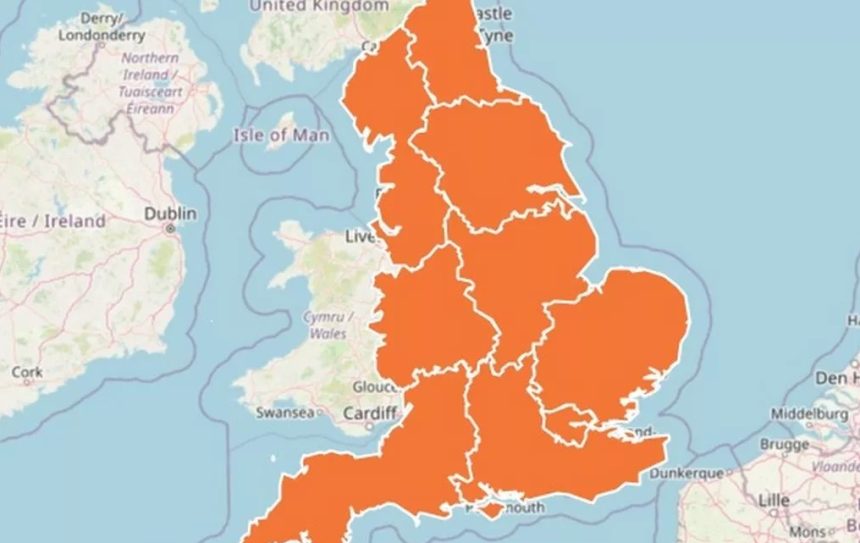
In response, the UKHSA upgraded its warning level, confirming that every English region, including London, the Midlands, the North, the South West and the East of England, is now under an AMBER alert.
This nationwide coverage highlights how seriously officials are treating the forecast.
UK Health Security Agency: “Forecast weather is likely to cause significant impacts across health and social care services.”
Why is an AMBER cold health alert considered serious?
An AMBER alert is not routine winter messaging. It signals that weather conditions are likely to directly affect health outcomes, rather than simply posing a potential risk.
According to the UKHSA, the expected freezing temperatures increase the likelihood of a rise in deaths, particularly among people aged 65 and over and those with existing medical conditions such as heart or respiratory disease.
An Amber Cold Health Alert has been issued for the #EastofEngland from 8pm today until 6 Jan 2026. Cold weather can have a serious impact on health for older people, young children + those with certain long-term health conditions. Check in on neighbours, friends + loved ones pic.twitter.com/p0AgpLBMH8
— UKHSA East of England (@UKHSA_EoEngland) December 31, 2025
However, the agency has also warned that younger people are not immune, especially where cold homes, accidents, or untreated illness are involved.
This alert reflects concerns not just about outdoor exposure, but about how cold weather impacts daily living and healthcare delivery.
How can cold weather lead to higher death rates?
In the UK, cold snaps are closely linked to excess winter deaths, a well-documented public health issue.
Low temperatures place extra strain on the heart and lungs, increase the spread of respiratory infections, and raise the risk of slips and falls on icy surfaces.
The UKHSA also highlighted the danger of indoor temperatures dropping too low.
Hospitals, care homes, and clinics may struggle to maintain safe warmth, while many households could find it difficult to keep living spaces at the recommended minimum of 18°C.
Prolonged exposure to cold indoor environments significantly increases health risks, especially for vulnerable people.
What impact could this have on the NHS and care services?
Health leaders are warning that the snow forecast could put additional pressure on NHS and social care services at an already challenging time of year.
Cold-related illness often leads to more emergency admissions, while icy conditions increase accidents that require urgent treatment.
Disruptions caused by snow and ice can also delay patient discharges and home care visits, creating knock-on effects throughout the system.
UKHSA says these combined pressures are a key reason behind the decision to escalate the alert level.
How does this warning compare to past winters?
Cold health alerts are issued every winter, but a nationwide AMBER alert is less common. It sits just below the highest “red” level and indicates a strong expectation of real-world harm if conditions persist.
Historically, similar alerts have coincided with spikes in winter deaths, reinforcing why authorities are urging the public to take the warning seriously rather than viewing it as routine weather news.
What should people in England do now?
Health officials are encouraging the public to take practical steps to reduce risk. This includes keeping homes as warm as possible, checking regularly on older relatives or neighbours, and taking extra care when travelling in icy conditions.
Those with long-term health conditions are advised to follow medical guidance closely and seek help early if they feel unwell.
Small actions, officials say, can make a meaningful difference during periods of severe cold.