


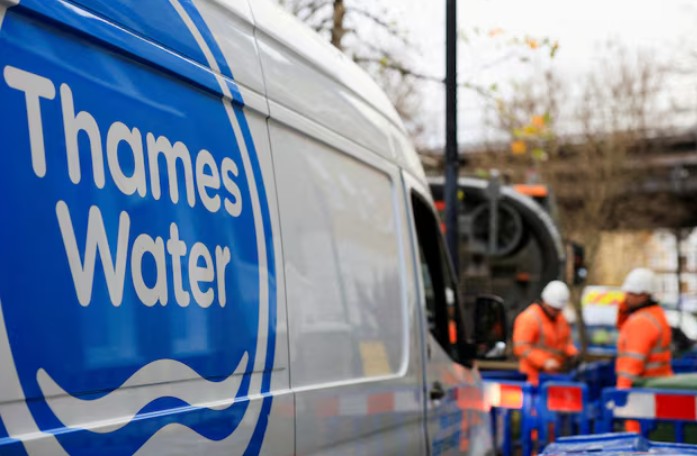
Thames Water has signed a major five-year renewable energy agreement with RWE, the UK’s largest power generator, in a move aimed at cutting carbon emissions and stabilising long-term energy costs for essential water services.
The agreement supports Thames Water’s ongoing transition to greener operations while reinforcing RWE’s growing role in supplying renewable electricity to critical UK infrastructure.
What is the agreement between Thames Water and RWE?
The deal is a long-term power purchase agreement (PPA) running from December 2025 until 2030.
Under the contract, RWE will supply Thames Water with 132 gigawatt hours (GWh) of renewable electricity every year.
This energy will come from RWE’s Camster onshore wind farm in Caithness, Scotland.
The electricity supplied through the agreement is expected to cover up to 15 per cent of Thames Water’s essential operational needs, supporting drinking water and wastewater services for around 16 million customers across London and the South East.
Incidents such as a Thames Water burst in Bermondsey demonstrate why reliable energy and infrastructure are critical to avoid service disruption.
Why does this deal matter for Thames Water?
Water and wastewater treatment are highly energy-intensive, requiring constant power to pump, clean and distribute water safely.
By securing renewable electricity through a long-term agreement, Thames Water can better protect itself from fluctuating wholesale energy prices while reducing its reliance on fossil fuels.
Xiang Cheng, Head of Energy and Carbon at Thames Water, said the company requires large amounts of energy to deliver its services and that PPAs help provide price certainty while supporting emissions reduction goals.
“Power purchase agreements like this allow us to plan more effectively for the long term while continuing to cut greenhouse gas emissions,” he said.
Where will the renewable electricity come from?
The power will be generated at the Camster onshore wind farm in northern Scotland. The site has been operational since 2012 and consists of 25 turbines with a combined generation capacity of 50 megawatts.
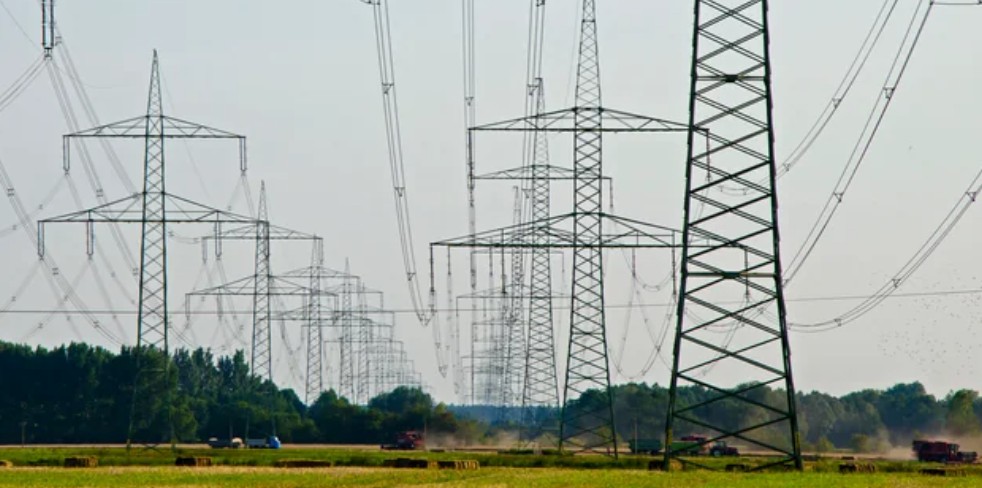
Beyond supplying renewable electricity, the wind farm has also delivered wider benefits, contributing £200,000 to local community projects in the Caithness area since it began operating.
How does this fit into Thames Water’s climate strategy?
Thames Water has a long history of producing renewable energy and cutting emissions. The company says it has reduced its operational carbon footprint by almost 70 per cent since 1930.
During the 2024/25 financial year, Thames Water generated 475.3 GWh of renewable electricity on its own sites, meeting just over a quarter of its total energy demand.
The rest of its supply currently comes from green electricity contracts and agreements such as the new deal with RWE.
Looking ahead, the company plans to further increase renewable generation, improve energy efficiency, reduce fossil fuel use, explore alternative low-carbon treatment processes and build a more sustainable supply chain.
What does RWE gain from the partnership?
For RWE, the agreement strengthens its position as a key supplier of renewable power to large UK organisations. Long-term PPAs provide revenue certainty, which supports further investment in wind and other low-carbon technologies.
Olaf Lubenow, Head of Commodity Solutions at RWE, highlighted the importance of reliable water services and the role renewable electricity can play in supporting them.
“Clean drinking water is essential to everyday life, and we are proud to support Thames Water by providing green electricity for its vital operations,” he said.
Are power purchase agreements becoming more common in the UK?
PPAs are increasingly being used by utilities, transport operators and other energy-intensive sectors across the UK.
Following recent energy price volatility, long-term renewable contracts are seen as a way to balance sustainability targets with financial stability.
What does this mean for customers?
The agreement is unlikely to have an immediate impact on household water bills.
However, securing stable and cleaner energy supplies can help protect essential services from future cost shocks and reduce environmental impact over time, outcomes closely monitored by regulators and consumer groups.