


For more than 15 years, Martin Lewis has been one of the UK’s most recognisable voices on personal finance, repeatedly attempting to clear up what he calls widespread misunderstandings about the student loan system.
Yet recent changes to repayment rules have reignited public frustration, particularly among younger graduates who now realise they may be repaying their loans well into middle age.
Lower repayment thresholds, longer write-off periods and stubbornly slow wage growth have combined to create what many describe as a “graduate tax by stealth”.
While Lewis insists the system is often misrepresented, even he accepts that for many graduates, the reality now feels far harsher than it did a decade ago.
Why Have Student Loan Repayments Become More Controversial?
The controversy centres on how early graduates are now required to start repaying their student loans.
In England, those on the newest repayment plans begin repayments once their earnings reach £25,000 a year. For many, this is only marginally above full-time minimum wage.
This shift has intensified pressure on lower and middle earners at a time when rent, energy bills and food costs remain historically high.
During a recent public discussion, ITV’s political editor Robert Peston openly criticised the system, describing it as “scandalous” when he realised how close repayment thresholds sit to basic living wages.
Martin Lewis has responded by emphasising that student loans were never designed to operate like conventional debt.
He argues that monthly repayments are better understood as a contribution linked to income, rather than a fixed financial burden.
For students preparing for higher education, it is also important to understand the application process and deadlines.
“It’s not a normal loan. You only repay when you earn enough, and whatever’s left gets wiped,” Lewis has said during recent interviews.
Even so, this reassurance has done little to ease the growing sense that graduates are paying more for longer, while seeing less benefit in return.
Is the UK Student Loan System Really a Graduate Tax?
The phrase “graduate tax” has become increasingly common in public debate, and not without reason.
Repayments are deducted automatically from salaries, feel unavoidable, and, for many, continue for decades without ever reducing the overall balance.
Unlike traditional loans, interest is applied even when repayments are being made. This means some graduates see their balances rise year after year, despite regular deductions from their pay slips.
For those on average earnings, the loan is unlikely to be cleared before the write-off point, now set at 40 years for newer borrowers.
Lewis accepts that this can feel demoralising but maintains that the system was designed with this outcome in mind.
In his view, the real danger lies not in the structure itself, but in how poorly it is explained to students before they sign up.
How Much Do Graduates Actually End Up Paying?
Government modelling suggests that roughly half of all English graduates will never repay their student loans in full. High earners tend to clear their balance relatively quickly, limiting the interest they pay over time.
Lower earners, by contrast, may repay smaller monthly amounts but for far longer, often contributing more overall without ever becoming debt-free.
This imbalance has fuelled criticism that the system quietly penalises those who do not secure well-paid roles after graduation.
Studies have also shown that around 50% of graduates experience little meaningful salary uplift compared with non-graduates, particularly in oversubscribed sectors.
The result is a growing disconnect between the promise of higher education and the financial reality many graduates face once they leave university.
Has Martin Lewis Softened His Stance on Higher Education?
Since first engaging with student finance debates in the early 2010s, Lewis has worked closely with government bodies and higher education groups, often defending the principle of income-linked repayments.
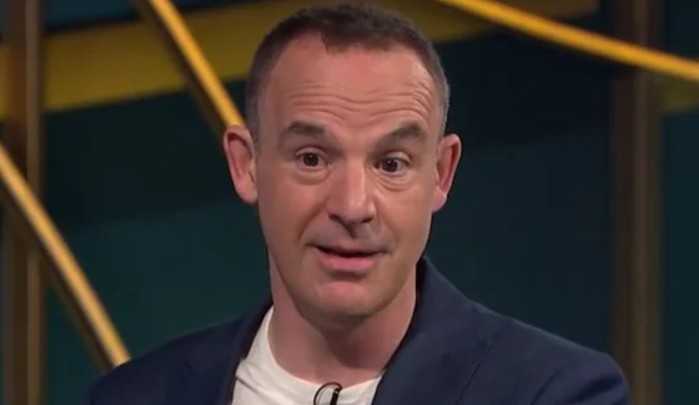
He has consistently argued that focusing too heavily on headline debt figures can unnecessarily frighten students away from university.
However, his tone has subtly shifted in recent years. While he still cautions against panic, he now urges prospective students to think carefully about course choices, employment prospects and long-term earning potential.
The message is no longer that university always pays off, but that it only does so under the right conditions.
Critics argue this change reflects a broader recognition that the current model places too much risk on students, particularly those from lower-income backgrounds.
What Are the Wider Consequences for the UK?
The impact of the student loan system extends beyond individual graduates. Unpaid balances are expected to cost taxpayers billions over the coming decades, raising questions about whether the model is financially sustainable.
At the same time, universities continue to benefit from stable tuition income, while students increasingly shoulder the uncertainty.
Calls for reform have grown louder, with campaigners demanding clearer information on graduate outcomes, realistic earnings data by course, and greater honesty about long-term repayment expectations.