

Contenders are calling on Transport for London (TfL) to take critical action after sexual offences against women and girls on London’s motorcars and the Underground rose sharply in recent times.
They say TfL should borrow a bold, Vision Zero-style approach, a strategy presently used to exclude deaths and serious injuries on the capital’s roads, to attack impurity and violence on public transport.
Rising Sexual Offences Across TfL Network
Data attained by the London Assembly highlights a worrying trend. Between 2022/23 and 2024/25, sexual offences on the Elizabeth line increased by 247.8 per cent in 2023/24, with a further 17.5 per cent rise in 2024/25.
The Underground saw incidents climb from 745 in 2022/23 to 856 in 2024/25, while machine routes reported a 28.6 per cent increase in the last year.
Susan Leadbetter, a transport adviser specialising in gender-sensitive design, told the Assembly: “If we look at road safety, we have Vision Zero…
I would love to see something like that for violence against women and girls, with KPIs so we actually have something to measure against.”
She added that TfL’s current efforts lack a cohesive strategy. “There are lots of strategies, but they’re disjointed. A systems-based approach covering culture, design, engagement and policy, with measurable outcomes, is really needed,” she said.
Data Gaps and Reporting Challenges
Tricia Hayes, chair of London TravelWatch, said TfL does not have “a single, definitive integrated set of data” on VAWG across the network.
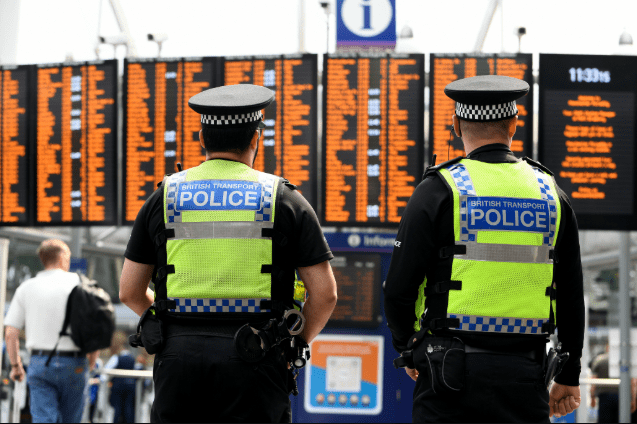
She highlighted that inconsistent standards between organisations make it hard to track incidents, and the fact that the British Transport Police don’t operate on buses leaves a significant safety data gap.
Poor handling of incident reports has also undermined confidence. Ms Leadbetter explained:
“Women and girls just didn’t trust the process… Training and access to information about how and what to report is key. TfL is doing good work, but there is room for improvement.”
Exploration shows the issue is wide. The City Hall Out in London report set up that 21 per cent of LGBTQ passengers endured hate crime on transport, yet 84 per cent went unreported.
Also, a University of Manchester study revealed that sexual offences are largely underreported nationally, with only 17 per cent formally recorded.
Why Tackling VAWG is Crucial
Failing to address harassment could see women and girls avoiding public transport altogether.
Ms Hayes warned: “There’s a powerful business case for tackling VAWG on the TfL network… It’s hugely in TfL’s interest, or it won’t meet Mayoral targets for increasing ridership.”
She urged TfL to implement strategies that improve behaviour, reporting routes, and the physical environment to make buses and the Underground safer for everyone.
TfL Responds
TfL has said rising reports partly reflect growing passenger confidence in reporting incidents. In response to a Freedom of Information request, they said: “Tackling sexual harassment and improving customers’ confidence to travel is a priority…
In partnership with the Rail Delivery Group, British Transport Police, Metropolitan Police Service and women’s safety groups, we launched a campaign in October 2021 highlighting our zero-tolerance approach to sexual harassment and violence.”
TfL has also been taking smaller steps to improve the travel experience, such as installing decorative vinyl stickers across Elizabeth line stations to maintain cleanliness and reduce grime behind benches, a move seen as part of wider efforts to enhance passenger confidence and comfort.
As London’s transport system continues to recover from the epidemic, experts and contenders contend that a Vision Zero-style strategy for VAWG is vital.
Clearer reporting, stronger safety programs, and better on-board security are seen as an essential way to ensure women and girls feel safe using TfL services, including the Underground, motorcars, and the Elizabeth line.