


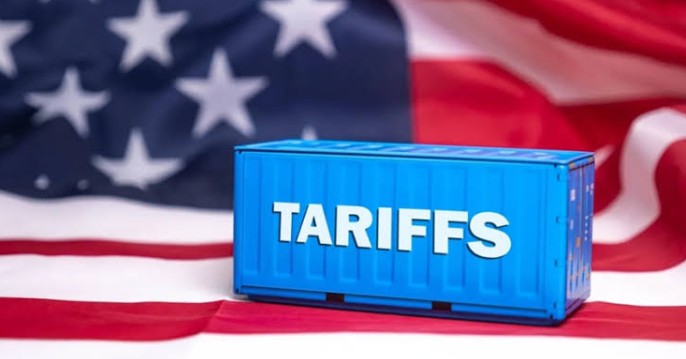
The White House has confirmed that several US tariffs introduced in 2025 have now been terminated following a landmark ruling by the US Supreme Court.
The decision affects import duties placed on goods from 185 countries and territories, including measures that impacted global trade partners. The move took effect on 7 February 2026, according to the White House statement.
The ruling matters because it reshapes global trade flows and could ease costs for UK exporters that trade with the United States. It also raises fresh questions about presidential powers over international trade policy.
Why Did the US Supreme Court Block the Tariffs?
The Supreme Court ruled that President Donald Trump exceeded his authority by using the International Emergency Economic Powers Act (IEEPA) to impose sweeping import duties.
The Court found that the emergency law did not grant the President unlimited power to introduce broad trade tariffs.
While the justices struck down the legal basis for many of the measures, they did not clarify whether companies that already paid the tariffs would receive refunds.
Earlier legal challenges had already gained traction. On 29 August 2025, the US Court of Appeals for the District of Columbia ruled that the President lacked authority to impose several of the duties.
The administration then appealed to the Supreme Court, which has now delivered the final judgment.
Which US Tariffs Have Been Terminated?
The White House confirmed that multiple executive orders “shall no longer be in effect” and the tariffs “shall no longer be collected”.
The scrapped measures include:
- Tariffs were introduced in April 2025 on imports from 185 countries and territories
- Tariffs on China, Mexico, and Canada linked to illegal migration and drug smuggling claims
- Tariffs targeting countries that bought oil or gas from Venezuela
- A 25% additional tariff on India was imposed in August 2025 on purchases of Russian oil
- Tariffs linked to countries supplying oil to Cuba
- Measures targeting countries importing goods or services from Iran
However, despite the ruling, President Trump announced on Friday that he signed a new executive order introducing a 10% tariff on imports from all countries worldwide.
That announcement creates uncertainty in global markets, including here in the UK.
How Could US Tariffs Affect the UK Economy?
Although the UK was not singled out in the earlier measures, British exporters faced indirect pressure from the broader US tariffs regime introduced in April 2025.
The United States remains one of Britain’s largest trading partners. According to the UK Department for Business and Trade, total UK–US trade in goods and services exceeded £294 billion in 2023.
When tariffs rise:
- UK exporters may face higher costs
- US buyers may reduce orders
- Supply chains become more expensive
- Currency volatility can increase
UK Automotive Sector
British car manufacturers that export premium vehicles to the US could see pricing shifts. Even a 10% blanket tariff may reduce competitiveness compared to US-made vehicles.
UK Food & Drink Producers
Scottish whisky and speciality food exporters often feel the impact of US trade measures quickly. Past tariff disputes between the UK and the US saw whisky exports drop by hundreds of millions of pounds.
What Happens Next After the Supreme Court Ruling?
The key legal issue now centres on refunds. The US Supreme Court did not clarify whether previously collected tariffs must be returned. Businesses across affected countries may pursue legal claims to recover costs.
Trade lawyers suggest this could trigger years of litigation in US courts.
Meanwhile, President Trump’s newly announced 10% global tariff raises further legal and economic questions. Experts say fresh legal challenges may follow if critics argue the administration again exceeded its authority.
How Are Markets and Governments Reacting?
Global markets reacted cautiously following the ruling. Currency traders and exporters are watching closely for further executive action.
UK trade officials have not yet issued a formal statement. However, analysts expect the UK government to assess whether new US tariffs could breach World Trade Organisation rules.
On social media platform X (formerly Twitter), several international trade experts described the ruling as “a major constitutional check on executive trade powers.”