


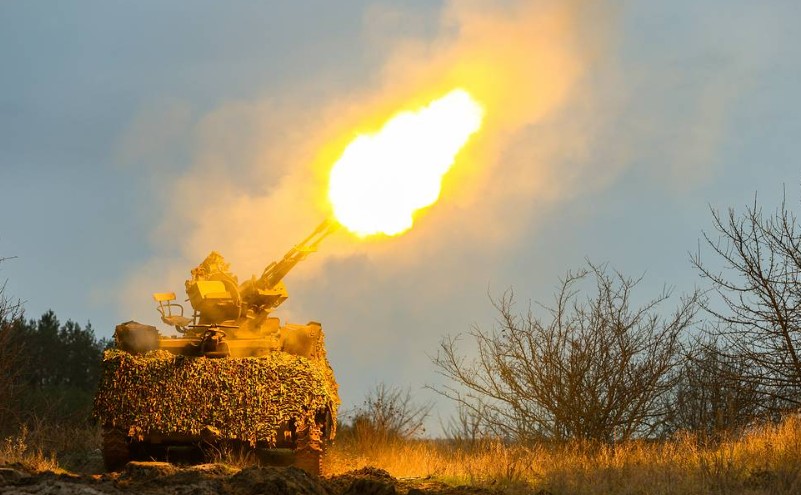
Russian air defences say they intercepted dozens of Ukrainian drones overnight, with debris falling on homes and businesses and leaving at least one person injured.
The UAV attack on Russian regions, reported in the early hours of 26 January, highlights how drone warfare continues to spill beyond the front lines of the Ukraine war, raising fresh security and geopolitical questions closely watched by the UK and its allies.
What happened, when, and where did it occur?
According to Russia’s Defence Ministry, 40 Ukrainian unmanned aerial vehicles (UAVs) targeted several Russian regions between 11pm on 25 January and 7am on 26 January (Moscow time).
Russian officials said air defence systems intercepted or destroyed the drones across multiple areas, including southern Russia and regions closer to Moscow.
The heaviest reported activity took place in Krasnodar Krai, a region bordering the Black Sea.
This latest UAV attack on Russian territory comes amid ongoing cross-border strikes linked to the war in Ukraine, which is now approaching its third year.
How many drones were involved, and which regions were affected?
Russian authorities released a regional breakdown of the incident:
| Region | Reported UAVs intercepted |
|---|---|
| Krasnodar Region | 34 |
| Azov Sea | 4 |
| Bryansk Region | 1 |
| Kaluga Region | 1 |
The Ministry described the drones as fixed-wing UAVs, which typically have a longer range and are harder to detect than small quadcopter drones.
What damage was reported on the ground?
Officials in the town of Slavyansk-on-Kuban, located in the Krasnodar Region, said falling drone debris caused damage to several private homes.
Local authorities later confirmed:
- Three houses initially reported as damaged
- UAV fragments were later found at four more homes
- Broken windows, a damaged canopy, and debris in private courtyards
Fragments also landed on the grounds of two local enterprises, where fires broke out and were tackled by emergency services.
“One person was injured and taken to the hospital,” the Krasnodar regional operational command said in a statement posted on its official Telegram channel.
Were there any casualties?
Russian officials confirmed one civilian injury. No deaths were reported.
Emergency responders remained on site throughout the morning, assessing damage and ensuring unexploded fragments posed no further risk.
Why does this UAV attack matter beyond Russia?
For UK audiences, this incident matters for three main reasons:
- Drone warfare is expanding
Long-range UAV attacks show how the conflict increasingly affects areas far from active battlefields. - Energy and infrastructure risks
The Krasnodar Region hosts key industrial and logistical facilities. Disruption there can affect regional energy and shipping routes linked to the Black Sea. - Wider security implications for Europe
The UK government continues to monitor escalation risks closely, particularly as drone technology becomes cheaper, longer-range, and more precise.
UK defence analysts have previously warned that UAV strikes blur the line between frontline combat and civilian areas, increasing the risk of miscalculation.
What do authoritative sources say?
The information released so far comes from:
- The Russian Defence Ministry
- The Krasnodar Region operational command
Independent verification remains difficult, a common challenge with overnight drone incidents reported during active conflict.
“Air defence forces intercepted and destroyed 40 Ukrainian drones,” the Russian Defence Ministry said in its official briefing.