


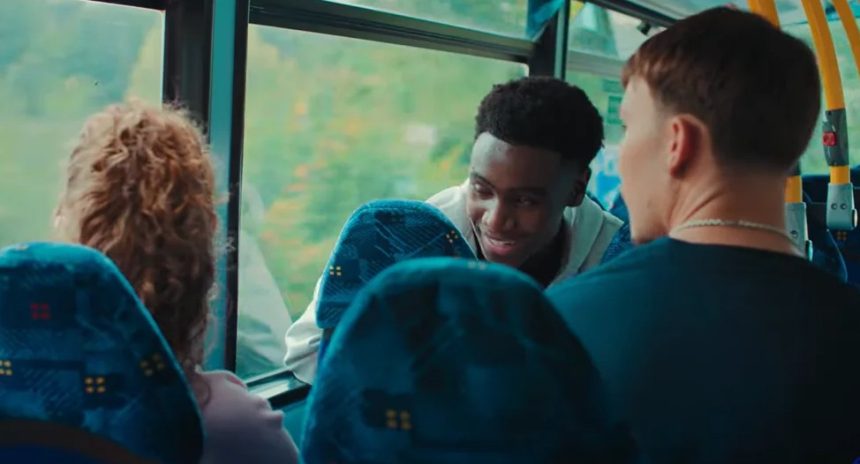
A Transport for London (TfL) advert has been banned after regulators ruled it risked reinforcing negative racial stereotypes.
The advert, which appeared on social media, showed a black teenage boy verbally harassing a young white woman on a bus.
It was removed after just one complaint, sparking debate about how public safety campaigns should portray race, crime and harassment in London.
The ruling affects TfL’s ability to reuse the clip and raises broader questions about how short-form advertising can alter a campaign’s meaning when taken out of context.
Why was the TfL advert banned?
The Advertising Standards Authority (ASA), the UK’s advertising watchdog, said the advert could be seen as irresponsible and offensive because it appeared to link black teenage boys with threatening behaviour.
Although the clip included a white male character, regulators said the black teenager appeared as the main aggressor when viewed alone, creating a harmful impression.
The ASA concluded that even if TfL intended the advert to reflect real-life incidents, the message could still be interpreted as reinforcing a racial stereotype.
What did the complaint say about the advert?
The complaint argued that the advert was harmful because it portrayed black teenage boys in a negative and intimidating way. The viewer said it risked encouraging prejudice by presenting a black character as the main source of threat.
Despite being a single complaint, the ASA still reviewed the advert because UK advertising rules focus on whether content may cause offence or social harm, not just how many people object.
What was TfL trying to achieve with the campaign?
TfL said the advert was part of its “Act Like a Friend” campaign, which encourages passengers to safely step in or offer support when they witness:
- sexual harassment
- hate crime
- intimidation or abuse
- threatening behaviour on public transport
TfL argued that the campaign reflected London’s diversity and aimed to show realistic scenarios that passengers may experience on buses and the Tube.
How was the banned clip different from the full campaign?
TfL explained that the banned advert was only a shortened segment taken from a longer film. The full version included other scenarios involving different victims and offenders, including racist abuse and homophobic language.
However, the ASA said audiences could easily see the clip on its own, without the wider context, which made the message more problematic.
What TfL released vs what got banned?
| Campaign Content | Where it appeared | What it showed | Outcome |
|---|---|---|---|
| Full “Act Like a Friend” film (around 2 minutes) | Cinema and streaming | Multiple harassment and hate crime scenarios | Allowed |
| Short social media clip (bus harassment scene) | Facebook and social media | A black teen is shown intimidating a young woman | Banned |
| Other short clips from the campaign | Social media | Racist abuse and homophobic abuse scenarios | Not banned |
What did the ASA decide and why does it matter?
The ASA ruled that the advert, when viewed in isolation, risked suggesting a link between black men and threatening behaviour. Regulators said this could contribute to harmful stereotypes and cause serious offence.
This matters because TfL campaigns reach millions of Londoners and are often used as examples of how public bodies communicate safety issues. The ruling shows that even well-meaning campaigns can face scrutiny if the messaging appears unbalanced or unfair.
What did TfL say in response?
TfL defended the wider campaign and said it aimed to reflect London’s real diversity, using casting tools to avoid over-representing one group negatively.
However, TfL admitted that the shortened version could fall short of expectations when shown on its own. The organisation confirmed it would stop using the clip.
Could this affect future TfL advertising campaigns?
Yes. This case highlights a growing issue in modern advertising: short-form content can easily lose context.
Even if a long campaign contains balanced representation, a single edited clip can create a different impression. Public organisations like TfL may now need to be more careful when cutting adverts into shorter versions for TikTok, Facebook and Instagram.