
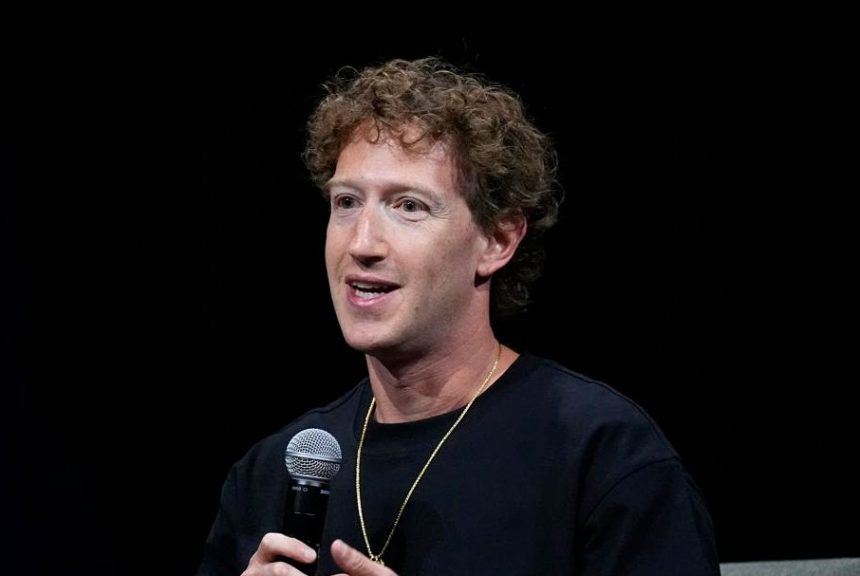
Mark Zuckerberg has been questioned in court over claims that Instagram and Facebook were built to keep users hooked, during a landmark social media addiction trial that could shape the future of Big Tech accountability.
The Meta boss appeared before a jury this week in a US courtroom, where lawyers argued that social media platforms may have contributed to serious mental health harm in young users.
The case has attracted global attention because it could influence thousands of similar lawsuits and strengthen pressure on tech companies worldwide, including in the UK.
At the centre of the trial is a young woman, now aged 20, who claims her early exposure to social media fuelled addictive behaviour, worsened depression, and contributed to suicidal thoughts.
Why is Mark Zuckerberg in court, and what is this case about?
The trial focuses on whether Meta’s platforms, including Instagram and Facebook, were designed in ways that encourage excessive use, particularly among teenagers.
The claimant alleges that she became dependent on social media at a young age and that the content, features, and engagement systems worsened her mental health over time.
The case is also being watched closely because it could influence wider legal action, including similar claims discussed in a child harm trial report.
Meta disputes that Instagram caused her struggles and argues that other factors played a role in her personal circumstances.
The case is being treated as a “bellwether” trial, meaning its outcome could influence how courts handle a much larger wave of similar legal claims against social media firms.
What did Mark Zuckerberg say when asked if Instagram is addictive?
During questioning, Zuckerberg rejected the suggestion that Meta intentionally built Instagram to be addictive.
When asked whether people tend to use something more if it is addictive, Zuckerberg hesitated and responded that he did not believe that logic applied to Meta’s services.
He repeated the company’s position that people spend time on Instagram because they find it useful or enjoyable, not because Meta deliberately manipulates them into staying.
Zuckerberg also said he still agrees with his earlier view that the current body of scientific research has not definitively proven that social media directly causes mental health harm.
That statement has become one of the most controversial parts of his testimony, as campaigners argue the evidence linking heavy social media use and emotional distress in young people continues to grow.
Why was Zuckerberg asked if he sounded “robotic”?
One of the most unusual moments of the hearing came when the claimant’s lawyer challenged Zuckerberg’s tone and presentation.
The lawyer suggested Zuckerberg’s answers sounded “media-trained” and pointed to internal feedback documents about how Zuckerberg should communicate publicly.
The documents reportedly advised him to avoid coming across as:
- fake
- corporate
- robotic
- cheesy
They encouraged him to appear “authentic” and “human”.
Zuckerberg pushed back strongly against the idea that he had been coached for the courtroom and described the advice as general feedback rather than media training.
He also joked that he is “well known” for being awkward in public and admitted people have mocked his behaviour in past appearances.
What evidence is being used to argue that Instagram harms young users?
The claimant’s legal team is attempting to show that Meta knowingly created features that increase time spent on Instagram, even among vulnerable users.
The trial has focused heavily on internal company documents, including discussions around engagement targets, user retention, and platform design.
Lawyers questioned Zuckerberg on whether Instagram staff were given goals related to increasing time spent on the app.
Zuckerberg responded that Instagram may have previously tracked time-related goals but insisted Meta shifted away from that approach and moved towards measuring “utility” instead.
In simple terms, Zuckerberg argued the company now focuses on whether the platform is helpful, rather than whether it traps users into endless scrolling.
What did Zuckerberg say about Instagram’s age rules?
Zuckerberg also faced intense questioning about Instagram’s age verification and how Meta prevents children under 13 from accessing the platform.
He said Meta’s official policy bans users under 13 and that the company works to detect accounts where users may have lied about their age.
However, he admitted that enforcing age restrictions remains difficult, mainly because many children can bypass checks by entering a false date of birth.
At one point in the hearing, Zuckerberg appeared frustrated and questioned why the issue seemed “so complicated”, repeating that Meta does restrict underage accounts and removes them when discovered.
What was said about Instagram beauty filters and “plastic surgery” effects?
Another key issue raised in court involved Instagram beauty filters, particularly those that alter facial features in a way that resembles cosmetic surgery.
The claimant’s lawyer argued these tools may worsen body image issues, especially for teenage girls.
Zuckerberg said he did not believe there was enough evidence to prove the filters cause harm and insisted Meta uses a “high bar” before removing features that affect user expression.
The lawyer then pointed to external experts consulted by Meta, claiming that all 18 experts raised concerns about the potential effects of beauty filters.
That part of the testimony may prove significant, as it suggests Meta received warnings yet allowed the features to continue.
Why are child safety groups angry at Zuckerberg’s testimony?
Child protection campaigners in the courtroom reacted sharply to Zuckerberg’s answers.
One children’s advocacy group leader accused Zuckerberg of being disingenuous and claimed his testimony showed Meta cannot be trusted to protect young users.
Campaigners argued that Meta continues to prioritise engagement features, even when those features may encourage compulsive use.
They also claimed the company has resisted removing certain tools, such as likes and appearance filters, because they drive user interaction.
Meta has not accepted responsibility for the claimant’s mental health struggles and continues to argue that social media use is only one of many possible influences in a young person’s life.
Has Zuckerberg faced similar pressure before?
Yes. Zuckerberg has repeatedly appeared before lawmakers and courts over the past decade.
He has faced questioning over privacy, misinformation, and youth safety. In a previous public hearing, he apologised to families who blamed social media for tragedies involving their children.
However, he stopped short of admitting that Meta directly caused those outcomes.
This trial is particularly significant because it marks one of the first times Zuckerberg has faced a jury directly in a case focused specifically on youth addiction and mental health harm.
Why does this trial matter to the UK?
Although the case is happening in the United States, the issues raised closely reflect growing concerns in Britain.
The UK has seen rising public anxiety over:
- Children spend hours a day on social media
- exposure to harmful content
- online bullying
- body image pressure
- addictive scrolling features
British parents and schools have increasingly called for stronger age checks and clearer rules around how platforms target young users.
The UK’s Online Safety laws and regulatory push could gain momentum if the trial results in serious consequences for Meta or creates a legal precedent that other countries follow.
If courts begin treating addictive platform design as a legal responsibility, UK lawmakers may face more pressure to tighten enforcement and demand transparency from companies like Meta.
What happens next in the Zuckerberg trial?
The case is expected to continue with further testimony and review of internal documents.
A jury will ultimately decide whether Instagram played a significant role in the claimant’s mental health decline and whether Meta’s design choices contributed to that harm.
The outcome could influence not only Meta’s future policies, but also how courts treat similar cases involving other platforms such as YouTube, TikTok, and Snapchat.