


In a major development for the UK’s “grey fleet” and millions of public service workers, HM Treasury has officially confirmed a “workers-first” review into the long-stagnant HMRC mileage rates.
Treasury Minister Dan Tomlinson and Chancellor Rachel Reeves have admitted that the current 45p-per-mile reimbursement rate is “well overdue” for an overhaul, having remained frozen since 2011 despite a decade of record-breaking inflation and skyrocketing fuel costs.
This news follows a sustained campaign by trade unions and motoring organisations who argue that the 15-year freeze has forced essential workers, including community nurses, social workers, and care providers, to effectively subsidise their employers.
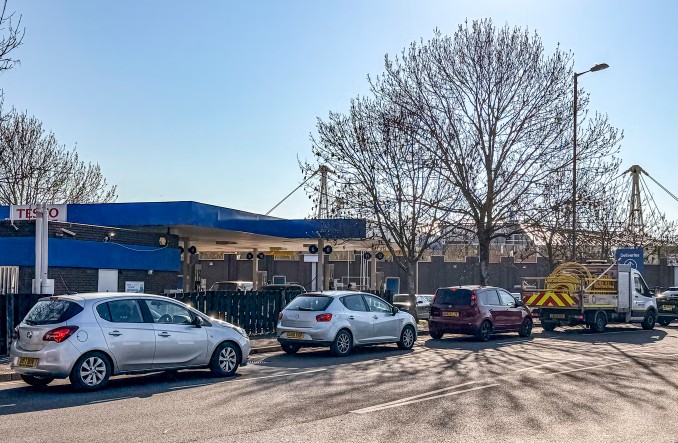
With diesel prices hitting three-year highs in March 2026 due to global instability, the government is now under immense pressure to bridge the gap between the 45p allowance and the actual cost of running a vehicle, which experts now place as high as 67p per mile.
Why Is the HMRC Mileage Rate Being Reviewed Now?
The push for a change comes down to a simple, painful reality for UK motorists: the cost of working has become unaffordable.
The Approved Mileage Allowance Payment (AMAP) was set at 45p in 2011 when petrol was roughly 133p a litre.
As of late March 2026, petrol has climbed toward 150p, and diesel has surged past 171p per litre, according to the RAC Fuel Watch.
Minister Dan Tomlinson stated, “Millions of working people rely on their car to do their job. But mileage rates have been unchanged since 2011, and that’s increased the cost of working. A review is well overdue.”
The Treasury has acknowledged that low-paid workers in vital sectors are “picking up the tab” for essential travel. The review aims to ensure that no worker is left “out of pocket” for simply performing their duties.
Which UK Regions and Sectors Are Most Affected?
The “mileage crisis” is not felt equally across the country. Data suggests that rural areas and specific urban sectors are at the breaking point:
- Rural Commuters: In regions like Norfolk, Cornwall, and North Wales, where public transport is sparse, workers have no choice but to drive. Higher “remote pump” prices in these areas mean the 45p rate covers even less than the national average.
- The Care Sector: Home care workers in cities like Liverpool and Sheffield often make 10–15 short trips a day. The constant “stop-start” driving increases fuel consumption and wear and tear, which the 45p rate fails to reflect.
- Public Services: In Northern Ireland and Scotland, where community health teams cover vast distances, Unison reports that some staff are losing over £1,000 a year by using their own cars for work.
What Are the Current 2026 Rates vs. the Proposed Changes?
Until the review is concluded, the current statutory rates remain in place. However, analysts and unions are calling for a significant “inflation-linked” jump.
| Vehicle Type | Current HMRC Rate (since 2011) | Proposed “Fair” Rate (RAC/Unison) |
| Cars & Vans (First 10,000 miles) | 45p per mile | 60p – 67p |
| Cars & Vans (Over 10,000 miles) | 25p per mile | 35p – 40p |
| Motorcycles | 24p per mile | 32p |
| Bicycles | 20p per mile | 25p |
| Passenger Addition | 5p per passenger | 10p |
How Are Rising Fuel Prices Influencing the Treasury?
The Treasury’s decision to act is heavily influenced by the current Middle East energy crisis. In March 2026, the RAC reported that:
- Diesel prices jumped 20% in less than a month, reaching 171.17p.
- Petrol has increased by 11.8%, currently averaging 148.55p.
- The cost of filling a standard family car has risen by approximately £16 since February 28, 2026.
Chancellor Rachel Reeves has already frozen fuel duty until September 2026, but she admitted in the House of Commons that wider action is needed for those who use their vehicles as a “tool of the trade.“
What Do Official Sources and Unions Say?
- HM Treasury: Confirmed the “workers-first” review will meet with affected people to inform future Budget decisions.
- Unison: Assistant General Secretary Jon Richards called the frozen rates a “clumsy stealth tax” and urged the government to expedite the increase.
- The RAC: Head of Policy Simon Williams warned that without a rate hike, it will be the “most expensive Easter on the roads” for workers since 2022.
- NHS Employers: Many trusts are already looking at internal “emergency mileage” supplements to prevent staff from leaving for better-reimbursed roles.
When Can We Expect an Official Increase?
While the review has been launched, UK drivers should not expect an immediate change at the pumps tomorrow.
- Consultation: The Treasury will gather evidence throughout the Summer of 2026.
- Autumn Budget: Any formal change to the 45p rate is most likely to be announced by Rachel Reeves in the Autumn Budget 2026.
- Activation: Usually, HMRC rate changes take effect at the start of the new tax year (April 6, 2027), though there is some speculation about an emergency mid-year adjustment.