


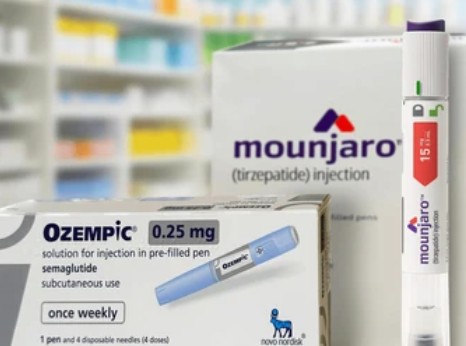
Australia warns of a new safety alert for people using popular weight-loss and diabetes drugs like Ozempic, following ongoing reports suggesting a possible link between these medicines and changes in internal health.
The Therapeutic Goods Administration (TGA) has streamlined guidance across the whole class of GLP-1 receptor agonists, prompting both croakers and cases to stay alert to unusual gestures or mood shifts.
The controller’s streamlined premonitory countries that “doctors must monitor patients for the emergence or worsening of depression, suicidal thoughts or any unusual changes in their behaviours”, indeed, though there’s still no verified evidence that medicines like Ozempic or Mounjaro directly cause suicidal thoughts.
These specifics remain monstrously popular among people managing type 2 diabetes and those seeking medical help with weight loss.
But as their use increases, so requires clearer safety information, especially as more Australians experience side effects that were preliminarily considered rare.
Why GLP-1 Drugs Are Being Re-Examined?
GLP-1 drugs have become some of the most talked-about treatments in Australia, the UK, and worldwide.
Firstly specified to help control blood sugar situations, semaglutide injections and analogous medicines have quickly come associated with dramatic weight-loss metamorphoses, helped along by celebrity signatures and social media trends.
But beneath the hype, substantiation on the internal health side goods remains mixed.
The TGA has entered 72 reports of suicidal creativity, along with several cases involving self-murder attempts or suspected self-murders. These reports don’t establish a direct link, but they’ve raised enough concern to detector preventive action.
Transnational exploration doesn’t offer one clear answer, moreover. A study published in Scientific Reports found that people taking GLP-1 drugs faced advanced pitfalls of depression, anxiety, and suicidal gestures.
Experimenters believe the medicines might affect dopamine release, which is linked to mood and price.
On the other hand, a large 2024 study that followed further than 1.8 million cases set up the contrary, those on GLP-1 medicines actually showed a lower risk of developing suicidal thoughts than those not taking the drug.
Because the findings are inconsistent, the TGA’s expert committee concluded that the evidence is not strong enough to confirm a direct relationship, but strong enough to justify clearer warnings.
How Ozempic Works and Why It Affects Weight?
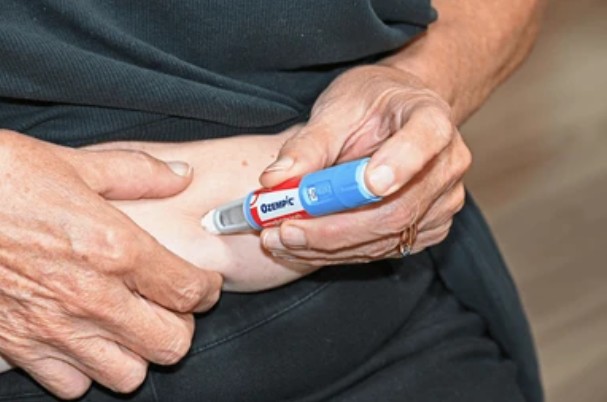
Ozempic is a once-daily injection designed to support people with type 2 diabetes by helping the pancreas produce more insulin. It also mimics a hormone that signals wholeness, helping people feel satisfied sooner and for longer.
That’s why many people notice weight loss as a side effect, and why the same ingredient has been released in higher doses under the brand Wegovy, specifically for weight management.
Doctors point out that:
- Weight loss often plateaus as the body adjusts
- Stopping the drug usually leads to weight regain
- Semaglutide is intended for long-term use, not quick fixes
While these treatments can help reduce pitfalls linked to rotundity, including heart disease and high blood pressure, they shouldn’t be used casually or without proper medical supervision.
New Warnings About Contraception and Hormone Absorption
Beyond mental health concerns, the TGA has raised another important issue: certain GLP-1 drugs may interfere with how the body absorbs hormones from oral contraceptive pills. This could, in some cases, reduce their effectiveness.
The warning substantially applies to tirzepatide (Mounjaro), although emerging data suggest oral semaglutide may also have an impact.
How GLP-1 Drugs Could Affect Birth Control Pills?
Oral contraceptives calculate by absorbing hormones through the stomach to help with ovulation and cake cervical mucus.
But GLP-1 medicines, which slow digestion, may affect how quickly or effectively these hormones make their way into the bloodstream.
Before exploration, dating back to 2003, first flagged this possibility. A 2015 study on semaglutide showed no significant reduction in hormone immersion.
But a more recent 2025 study concluded that both tirzepatide and oral semaglutide can affect oral contraceptive hormone situations.
Importantly, contraception similar to IUDs, implants, and other long-acting styles isn’t impacted, as they don’t rely on stomach absorption.
Who Should Take Action Now?
The TGA’s streamlined guidance doesn’t mean people should stop taking their drug. Rather, it highlights the need for mindfulness and honest communication.
Patients are advised to contact their doctor immediately if they notice:
- changes in mood
- new or worsening depression
- anxiety or restlessness
- thoughts of self-harm
- unusual behavioural changes
Women of travail age should also bandy contraception options with their GP, especially if they’re taking tirzepatide.
The TGA also warns that GLP-1 medicines shouldn’t be used during gestation, as some reports have linked them to confinement.
Despite the captions, health experts emphasise that these specifics remain safe and effective for numerous people when used correctly. They continue to offer life-changing benefits for those floundering with type 2 diabetes or severe obesity.
However, with soaring demand and increasingly widespread use, the TGA says patients deserve clear, consistent information about risks, even those still being researched.