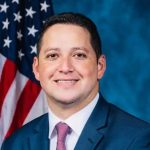


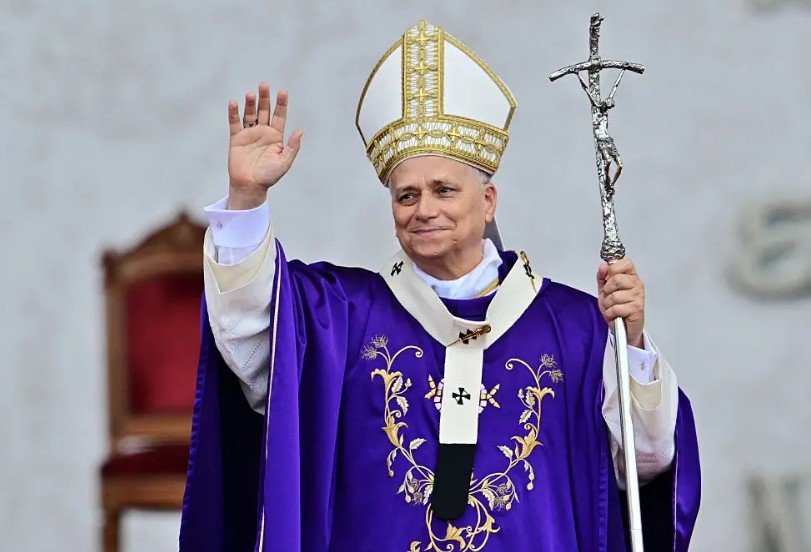
A strong Pope Leo warning to Trump has emerged after the pontiff delivered his first public remarks about the escalating military strikes involving the United States, Israel, and Iran.
Speaking at the Vatican this week, Pope Leo XIV urged world leaders to abandon threats and weapons and instead return to diplomacy, warning that continued violence could push the Middle East into what he described as an “irreparable abyss.”
The Pope made the appeal during a public address in St Peter’s Square, directly referencing global tensions following strikes targeting Iranian-linked sites.
Without singling out a specific military decision, his remarks clearly addressed the actions and rhetoric of leaders, including Donald Trump, who has supported the recent operations.
The Vatican said the pontiff wanted to emphasise that lasting peace cannot come from military escalation but from negotiation and dialogue between nations.
Why did Pope Leo warn Donald Trump about the Iran strikes?
The Pope’s statement focused on the risk that continued attacks could spiral into a broader regional conflict.
In his remarks, he warned that rising tensions could destabilise an already fragile region and deepen humanitarian suffering.
Speaking to thousands gathered in the Vatican, he said: “Humanity cries out and invokes peace. This cry demands responsibility and reason. It must not be drowned out by the roar of weapons or by rhetoric that incites conflict.”
The pontiff urged global leaders to move away from aggressive rhetoric and instead pursue diplomatic channels.
He added, “War does not resolve problems. True stability arises from sincere dialogue, patient negotiation, and respect for the dignity of every nation.”
His comments represent the Vatican’s first formal response to the latest wave of military activity involving Iran, the United States, and Israel.
What is happening between the US, Israel, and Iran?
Tensions between the three countries have increased sharply after reports of coordinated strikes targeting Iranian-linked military infrastructure.
Security analysts say the situation carries the risk of retaliation from Iran or its regional allies, which could trigger a wider conflict across the Middle East.
Recent developments include:
| Development | Details | Timeframe |
|---|---|---|
| Israeli strikes | Israel reportedly carried out operations against suspected Iranian military positions | Recent weeks |
| US involvement | American forces have supported operations linked to regional security objectives | Ongoing |
| Regional reaction | Governments across the Middle East have warned against further escalation | Current |
The Middle East already faces several ongoing conflicts, meaning any new confrontation involving Iran could have serious global consequences.
For the UK, instability in the region can influence energy prices, shipping routes through the Gulf, and international diplomatic priorities.
What moral responsibility did the Pope place on world leaders?
In his address, Pope Leo XIV framed the crisis as both a political and moral issue. He stressed that governments and international institutions must act before the situation becomes uncontrollable.
“The international community must assume its moral responsibility to prevent further tragedy and safeguard peaceful coexistence among peoples.”
The Vatican has a long tradition of speaking out during major international crises. Previous popes have issued similar appeals during wars in Iraq, Syria, and Ukraine.
The Holy See often positions itself as a neutral voice calling for humanitarian protection and diplomatic negotiation.
How are global leaders responding to the Vatican’s appeal?
Political leaders have not yet issued widespread official responses to the Pope’s warning. However, diplomatic sources suggest many governments remain concerned about the possibility of rapid escalation in the region.
European governments, including the UK, have repeatedly called for restraint and dialogue in recent Middle East tensions.
Officials from the Foreign, Commonwealth & Development Office have previously stressed the need for diplomatic solutions and protection of civilian lives during regional conflicts.
Foreign policy experts say the Pope’s remarks could increase public pressure on governments to prioritise negotiations rather than military action.
Why do papal warnings carry global influence?
The leader of the Roman Catholic Church often plays a unique role in international diplomacy.
With more than one billion Catholics worldwide, statements from the Pope can shape public debate and encourage humanitarian responses to conflict.
Religious diplomacy has historically helped open communication channels between countries that struggle to engage politically.
Analysts say Pope Leo XIV’s warning arrives at a critical moment, as tensions between Iran, Israel, and the United States already sit near one of their most fragile points in recent years.