


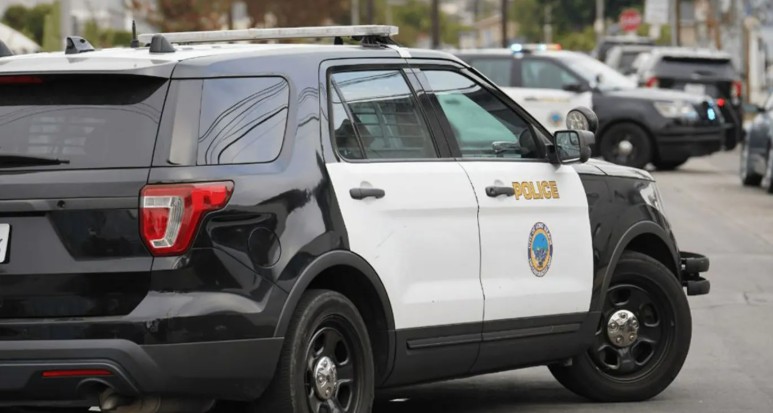
A California fatal crash case has reignited public anger in the United States after a young driver was accused of causing a second deadly collision while already free on bail for an earlier fatal crash.
The case has also drawn attention in the UK, where similar debates continue over bail rules, repeat offenders, and road safety accountability.
What happened in the California fatal crash case?
Police in Long Beach, Southern California, say Ahkeyajahnique Owens, aged 24, was involved in two fatal road incidents just months apart.
The first crash allegedly took place on 6 October 2025, when Owens is accused of hitting and killing a bicyclist. Despite being charged with felony vehicular manslaughter, she was released on bail while awaiting further court proceedings.
Less than three months later, on 4 January 2026, Owens was allegedly involved in a second, far more devastating collision.
Police say the incident was a hit-and-run crash involving another car, resulting in two deaths and leaving three additional people injured.
Who were the victims of the January crash?
The January collision claimed the lives of Gilberto Lopez, aged 21, and Bobbi Smith, aged 24. Both were pronounced dead following the crash, according to police.
Three others who were travelling in the same vehicle survived but suffered injuries. Authorities have not yet shared details about the severity of the injuries or whether the individuals remain in the hospital.
The deaths of two young adults, combined with the suspect’s bail status, have intensified public criticism of the justice system’s handling of serious driving offences.
Was the driver already facing criminal charges?
Yes. At the time of the January incident, Owens was already charged in relation to the October crash. Police confirmed that she later turned herself in to Long Beach officers on Wednesday following the second collision.
She has now been booked on $200,000 bail, which is roughly £158,000. The police department has not disclosed how much bail was set following the first fatal crash.
Police statement (quoted): Owens has been “linked to both crashes through video and forensic evidence.”
Investigators have not yet publicly explained what caused either crash, including whether speed, alcohol, or other factors were involved.
Why was Owens allowed to remain on bail?
Under California law, suspects charged with serious offences, including fatal traffic collisions, can still be granted bail depending on legal criteria such as criminal history, flight risk, and court availability.
Although lawful, this system has faced growing criticism, particularly in cases where suspects are accused of committing further offences while awaiting trial.
For UK readers, the case echoes domestic concerns. In Britain, courts can impose strict bail conditions or remand suspects in custody.
Still, high-profile cases involving repeat offenders have led to ongoing public debate about whether the balance between individual rights and public safety is always struck correctly.
Will further charges follow?
Police have confirmed that Owens is expected to face additional charges once the investigation into the January crash is complete.
The case is due to be presented to the Los Angeles County District Attorney’s Office next week, where prosecutors will decide on the full list of charges.
Legal experts in the US have suggested the second crash could lead to significantly harsher penalties if Owens is convicted, particularly given the alleged breach of trust involved in reoffending while on bail.
Why is this case attracting wider attention?
This California fatal crash case has resonated beyond the US because it combines several troubling factors: multiple deaths in a short period, a suspect already facing serious charges, and unanswered questions about whether the system failed to protect the public.
In the UK, where 1,695 people died on the roads in 2023 according to Department for Transport data, road safety and sentencing for dangerous driving remain politically sensitive topics.
Campaigners have repeatedly called for tougher action against repeat offenders and faster court processes in fatal crash cases.