

Venezuela has arrested several United States citizens in recent months, deepening already fragile relations between Caracas and Washington.
US officials say at least five American nationals are currently detained, with investigations ongoing into the reasons behind their arrests.
For the UK public, this development matters not just because of global security concerns, but also due to Britain’s close diplomatic alignment with the US and its long-standing position on Venezuela’s political crisis.
Why is Venezuela arresting US citizens now?
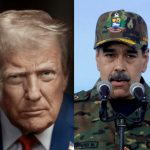
According to US officials familiar with the situation, the detentions come amid renewed American pressure on President Nicolás Maduro’s government, including sanctions and diplomatic isolation.
Some Venezuelan state-linked media have suggested that several detainees were connected to drug smuggling or security-related offences.
However, US authorities have not publicly confirmed these claims, stressing that investigations are still underway.
Western diplomats believe the timing is significant. The arrests follow stepped-up US enforcement of sanctions targeting individuals close to Maduro, as well as renewed scrutiny of Venezuela’s oil sector.
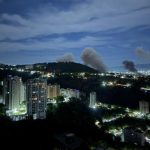
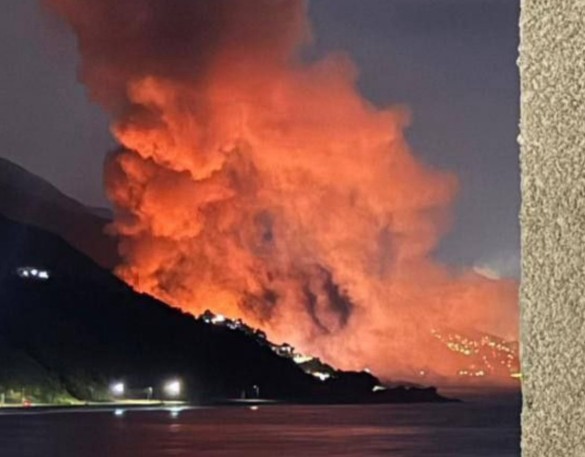
This comes during a period of internal instability, with explosions in Caracas adding to fears of wider unrest.
BREAKING: Explosions are rocking Caracas, Venezuela while their citizens are sleeping, as it appears the so-called “Peace President” trump is starting a war without Congress’ approval.
Those Epstein files must be really, really bad.pic.twitter.com/B3qohuQx4Z
— BrooklynDad_Defiant!☮️ (@mmpadellan) January 3, 2026
US official, speaking anonymously: “We are reviewing each case carefully and are deeply concerned about the welfare and legal rights of detained US citizens.”
Are these detentions being used as political leverage?
Many analysts believe so. US officials privately compare Venezuela’s approach to tactics previously used by Russia and Iran, where foreign nationals have been detained during periods of diplomatic strain.
The concern is that detainees may be used as bargaining chips in negotiations over sanctions relief, prisoner swaps, or diplomatic concessions.
From a UK foreign policy perspective, this mirrors past cases where British nationals were caught up in geopolitical stand-offs, raising broader questions about the safety of Western travellers in high-risk states.
Who is James Luckey-Lange, and why has his case drawn attention?
One of the most high-profile cases involves James Luckey-Lange, a 28-year-old US citizen from Staten Island, New York.
His family say they last heard from him on 8 December, when he called from Venezuela. He was due to return to the US on 12 December for a family cruise, but never made the flight.
Luckey-Lange is the son of Diane Luckey, better known as Q Lazzarus, whose song Goodbye Horses famously featured in The Silence of the Lambs.
After she died in 2022, James travelled widely across Latin America, following routes his mother once explored.
His aunt, Abbie Luckey, has publicly criticised the lack of information from US authorities.
family statement: “I feel completely powerless. We can’t even get formal confirmation of where James is or what he’s being accused of.”
How has Venezuela responded to US pressure?
Caracas has adopted a more defensive posture in recent weeks. Venezuela has increased military patrols around key oil infrastructure, citing national security threats.
Some US media reports have alleged covert American activity in the region, though these claims have not been independently verified and remain officially unconfirmed.
What is clear is that Venezuela’s oil industry, vital to its economy, remains at the centre of the dispute. Any escalation risks disrupting global energy markets, which indirectly affects fuel prices in the UK.
What is the wider political situation inside Venezuela?
President Maduro remains firmly in control, despite international criticism.
Human rights organisations estimate that hundreds of political prisoners are currently held in Venezuela. Recent elections were dismissed by independent observers as neither free nor fair, a position shared by the UK government and the European Union.
The United States has stopped short of openly calling for regime change but continues to enforce targeted sanctions against Maduro’s inner circle and family members.
Key facts at a glance
| Issue | Latest figures (2024–2025) |
|---|---|
| US citizens detained | At least 5 |
| High-profile detainee | James Luckey-Lange (28) |
| Last confirmed family contact | 8 December |
| Venezuela political prisoners | Estimated hundreds |
| UK position | Does not recognise Maduro’s electoral legitimacy |