


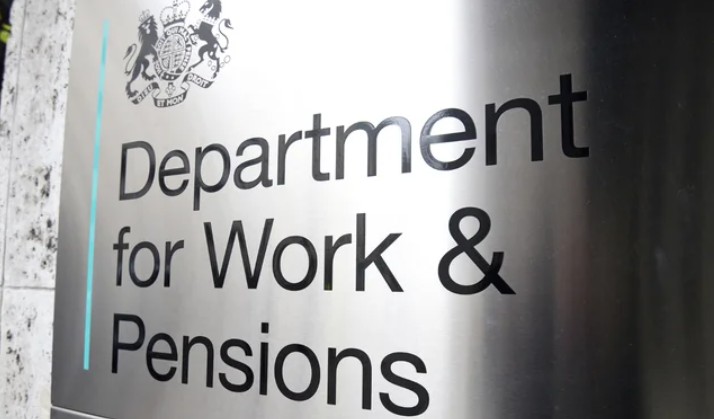
The Department for Work and Pensions (DWP) has activated its first Cold Weather Payments of the 2026 winter season, providing £25 to households in 18 northern England postcodes.
This support is automatically sent to qualifying residents to help cover extra heating costs during severe cold spells.
What Is the DWP Cold Weather Payment, and Who Qualifies?
The Cold Weather Payment scheme is designed to help vulnerable residents when temperatures remain at or below freezing for seven consecutive days.
- Automatic payment: Recipients do not need to apply.
- Payment timeframe: Funds arrive in bank accounts within 14 working days of activation.
- Eligible benefits include:
- Pension Credit
- Income Support
- Income-based Jobseeker’s Allowance
- Income-related Employment and Support Allowance
- Universal Credit
- Support for Mortgage Interest
An estimated 3.9 million people across the UK are eligible, including 1.2 million Pension Credit claimants.
Torsten Bell, Minister for Pensions, said: “As temperatures plunge, Cold Weather Payments will automatically get support directly to vulnerable households.”
He also emphasised that this, combined with the Triple Lock commitment and a major Pension Credit take-up campaign, aims to ensure pensioners have sufficient financial support through winter.
Which Areas Are Receiving Payments Now?
The first payments this winter have been triggered in 18 postcode districts across Cumbria, Northumberland, and parts of the Scottish Borders. Around 6,000 households will benefit.
Activated postcodes: CA10, CA11, CA12, CA16, CA17, CA9, LA8, LA9, LA10, LA21, LA22, LA23, NE19, NE47, NE48, NE49, DG14, TD9.
These areas have experienced or are forecast to experience temperatures at or below 0°C for seven days, activating the scheme automatically.
How Cold Will the UK Get?
Amber cold weather health alerts are currently in force across the North East and North West of England, set to continue until midday on 5 January.
- Expected lows: Temperatures could drop to minus 5°C.
- Snow: Up to 10cm in most areas, with higher ground potentially seeing 30cm.
- Wind: Northerly winds may reach gale force, creating harsh wind chill.
A separate yellow snow and ice warning covers parts of Scotland north of the central belt, from 6am on New Year’s Day to midnight on 2 January.
Met Office deputy chief forecaster Mark Sidaway warned: “It certainly looks like we are in for a taste of ‘winter’ as we welcome in the new year, initially in the north but more widely across the UK for the first week of 2026.”
Health officials caution that the freezing conditions could place strain on health and social care services, particularly among people aged 65+ and those with underlying health conditions.
Alerts also warn of a potential rise in deaths among vulnerable groups during the cold spell.
How Can Residents Stay Safe and Informed?
Experts urge residents to:
- Check local weather forecasts daily via the Met Office or BBC Weather.
- Keep homes warm and insulated, using central heating and draught-proofing.
- Check on elderly neighbours or family members, especially those living alone.
- Be cautious on icy roads and pavements; plan journeys carefully.