


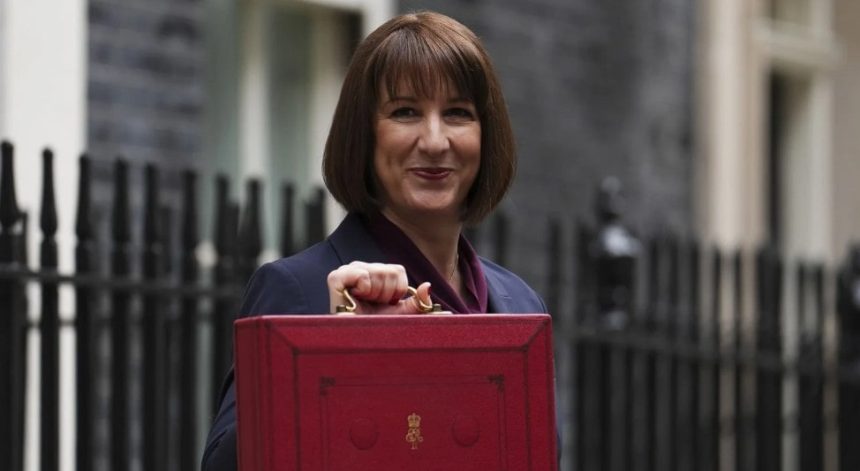
Chancellor Rachel Reeves has announced a sweeping government budget that raises £26bn in new taxes, largely aimed at the UK’s wealthiest households.
The move forms the backbone of Labour’s plan to scrap the two-child benefit cap and cut household energy bills, two key pledges the party says will support struggling families during the ongoing cost-of-living crisis.
The budget launch itself was marred by unexpected drama after the Office for Budget Responsibility (OBR) mistakenly published parts of the financial report ahead of schedule.
Despite the shaky start, Reeves pressed on, insisting that the new tax measures were necessary to repair the public finances without relying on “reckless borrowing”.
Her approach follows recent government steps to tighten enforcement, including action to expand fraud crackdowns, as seen in a recent move to strengthen financial discipline through a targeted initiative on fraud prevention.
A Record Tax Take and Unpopular Threshold Freeze
In a decision expected to spark debate well beyond Westminster, Reeves confirmed that the overall tax burden will climb to a record 38% of GDP within five years.
A major contributor is the extension of the income tax and national insurance threshold freeze for another three years, a policy that quietly raises billions through “fiscal drag”.
More than 1.7 million people will find themselves paying tax for the first time or pushed into higher bands by 2030.
This means more nurses, teachers, police officers and other middle-income workers will be caught by higher-rate tax, a scenario some Labour MPs privately admitted they are uneasy about.
Still, the chancellor defended the choice, acknowledging that the freeze “does have a cost for working people”, while explaining it will bring in £12.4bn over the forecast period.
Wealth and Property Taxes Take Centre Stage
In a bid to deliver what Labour calls a fairer tax system, Reeves introduced several measures clearly designed to target the richest households. These include:
- A council tax surcharge for properties valued over £2 million
- A 2p rise in income from dividends, savings and property
- A cap on employer National Insurance relief through salary sacrifice pension schemes, limited to £2,000 from 2029
- Higher taxes on online gambling
- A 3p-per-mile levy on electric vehicles
These measures are anticipated to raise billions, with the pension change alone estimated to induce £4.7 bn annually.
Reeves stressed that none of these ways breaks Labour’s fiat, arguing the party had only pledged not to raise the rates of income duty, Handbasket or public insurance, not the thresholds.
Scrapping the Two-Child Benefit Cap
One of the key measures is the full invalidation of the two-child benefit limit, going around £3bn annually and projected to lift 450,000 children out of poverty. It marks one of Labour’s most significant welfare policy shifts in recent times.
The chancellor told MPs: “I don’t intend to preside over a status quo that punishes children for the circumstances of their birth.”
Her remarks were met with applause from Labour backbenches and welcomed by anti-poverty campaigners.
Energy Bill Relief and Cost-of-Living Support
Reeves also set out a package aimed at easing everyday pressures for homes. Green energy impositions will be removed from energy bills and funded through general taxation, cutting average ménage bills by roughly £150 from the coming spring.
Rail fares will be frozen, offering further relief to commuters who have been feeling the squeeze.
Mixed Reactions Within Labour
Reeves’ first major budget announcement was hailed by some Labour MPs as a clear shift towards traditional party values.
One strategist said: “This shows we are a full-blooded Labour government… Wealthiest pay more, and we protect those with the greatest need.”
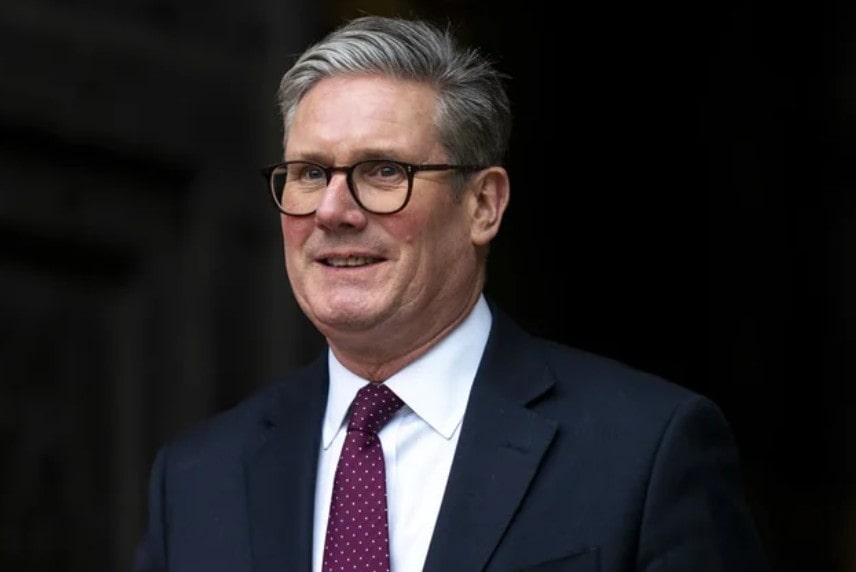
However, not everyone was satisfied. Several ministers warned that the budget doesn’t fully address the UK’s long-term economic weaknesses or the public’s doubts about Keir Starmer’s leadership. One minister bluntly described it as delaying “the now inevitable reckoning”.
Markets Respond Calmly, Economists Cautious
Financial markets reacted positively, with gilt yields falling to around 4.41%, a sign that investors welcomed the increased fiscal “headroom”. Some analysts suggested the budget was less harsh than expected, given the scale of the UK’s fiscal challenges.
Still, economists noted that many of the tax rises and spending offsets arrive later in the parliament, allowing the government to “spend now and pay later”, a pattern highlighted by the Institute for Fiscal Studies.
The Resolution Foundation also warned that leaving much of the fiscal repair work until 2028 and beyond could prove risky if economic conditions shift.
A Fierce Political Backlash
Predictably, opposition parties didn’t hold back. Conservative leader Kemi Badenoch labelled it a “Benefits Street budget”, accusing Reeves of making working people foot the bill for Labour’s spending plans.
Soft-left Labour MPs, meanwhile, described the budget as a strong start but insisted it must be the beginning of broader tax reform, calling for simplicity, fairness and more consistent taxation of unearned income and wealth.
A Budget Labour Must “Sell” to the Public
In a rallying message to her MPs late on Wednesday, Reeves warned that the front pages might be brutal, but urged her team to stand firm.
“We’ve got to win the argument every single day,” she said. “We’ve got to campaign on the budget.”
With major tax policy changes, sharp political divides and a promise to reshape how wealth is taxed in Britain, Reeves has set the stage for a defining battle over Labour’s economic direction and the public’s appetite for a new approach.