


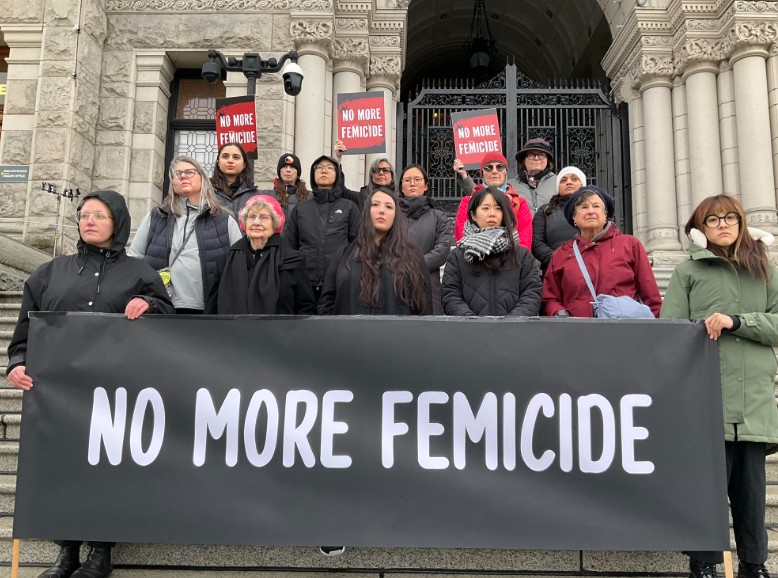
Italy has taken a major step in the fight against gender- grounded violence by unanimously declaring femicide a felonious offence.
The corner legislation aims to cover women, hold perpetrators responsible, and address the deeply embedded societal structures that contribute to violence against women.
What does the Italian Law mean on femicide?
The new law defines femicide as murders committed due to “an act of hatred, discrimination, domination, control, or subjugation of a woman.”
It particularly focuses on cases where violence occurs after a woman ends a relationship or asserts her independence.
Malefactors condemned under this law will face automatic life imprisonment, making it one of the strictest measures in Italy’s legal system.
Experts note that categorising femicide independently will ameliorate shadowing of gender- grounded violence and signal the seriousness of crimes targeting women.
The Scale of Gender-Based Violence and Its Impact
The statistics are stark. Italy recorded 116 womanish homicides last time, with 106 cases classified as gender- motivated.
Experts advise that these figures may underrepresent the broader problem of violence against women, emphasising the critical need for both legal and social interventions.
For families affected, the law is a step forward, though it can not undo particular loss. Gino Cecchettin, whose son Giulia was boggled, ate the legislation but stressed the need for broader societal change.
Digital violence against women and girls doesn’t stay online. It can escalate into coercive control, stalking, or even femicide.
This violence silences voices, limits leadership, and undermines access to food, nutrition, and humanitarian assistance.
We must #UNITE to end it.… pic.twitter.com/CfdFSWMf85
— World Food Programme (@WFP) November 25, 2025
“Although her killer received a life sentence, it’s crucial that we define and openly discuss femicide,” he said.
He added that the term had often been dismissed in the past, particularly by politicians on the right. “Now this is a world where we can speak about it. That’s a little step, but it’s a step.”
Following the tragedy, Cecchettin established a foundation in Giulia’s name to raise awareness about domestic abuse and gender- grounded violence, pressing the significance of understanding the mindset of perpetrators shaped by dangerous conceptions.
Education, Awareness, and Cultural Change
Legal measures alone can not end violence against women. Experts emphasise that public education, mindfulness juggernauts, and artistic enterprise are pivotal in addressing misogyny, promoting respect for women, and encouraging victims to report abuse.
By recognising femicide as a distinct crime, Italy isn’t only furnishing justice for victims but also signalling an artistic shift.
The law aims to foster a safer society, challenge dangerous gender norms, and emphasise that attacks motivated by abomination, discrimination, or control over women will no longer be permitted.